The great duty of humankind right now is to sustain its living ecosystem here on Earth. There are several international campaigns pursuing this goal, including the circularity strategy and many others. Many of them are concerned with biology, while others address ecological risk, climate change, and so on. Most of the time, in discussions, conclusions, and proclamations, issues concerning the use of materials are forgotten, misunderstood, or dismissed.
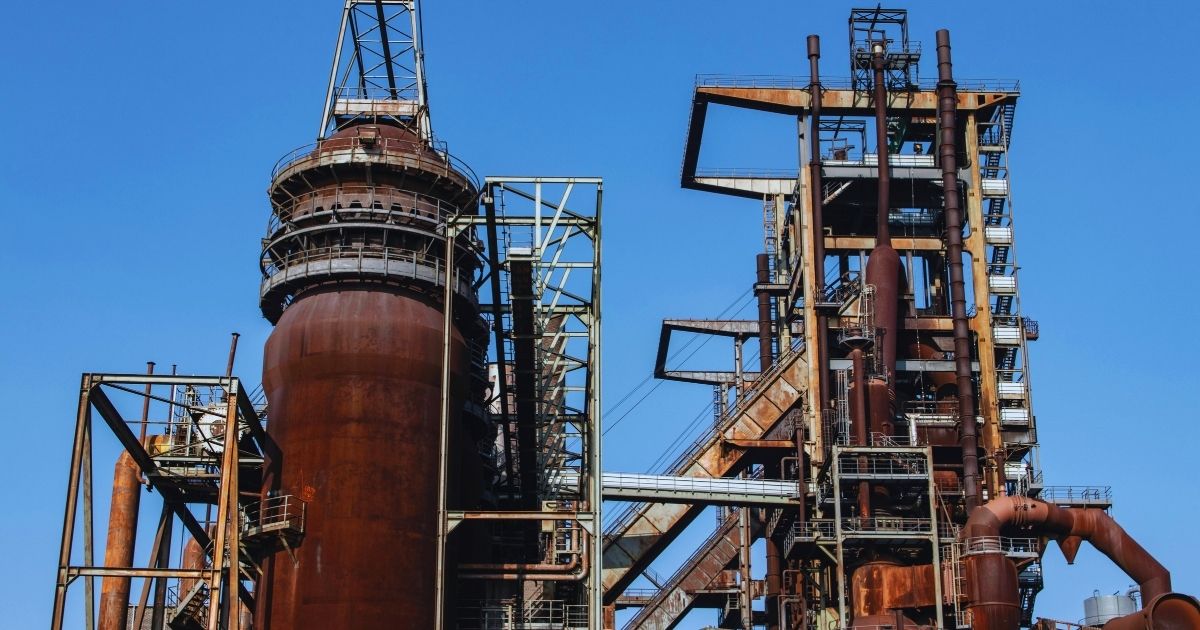
Usually, people claim that sustainability measurements are unrelated to the materials that have supported our civilizations from the caves to the present. Our homes, workplaces, social meeting points, towns and cities, communication pathways, energy sources, means of transport, forms of entertainment, and body implants are examples from an infinite list of materials that support our quality of life. Specific materials include iron, aluminum, copper, zinc, other metals, glass, cement, stone, polymers, etc. This extensive set of materials that support buildings, infrastructure, machinery, and other systems is known as the "Technosphere".
We are speaking of the Anthropocene, the period during which humanity has interacted with and changed the face of the planet, primarily the lithosphere, since about 15,000 years ago, especially during the last 3,000 years. It is not a geological era, but it is the era of severe human intervention in Earth's geology. As a consequence, it is currently estimated that the mass of human creations exceeds 1.1 × 10¹² tons, the Technosphere that leaves behind trillions of tailings and waste.
2025 Chemistry Nobel laureate Susumu Kitagawa has proposed a remedy to halt the planet's destruction. He speaks about moving from digging and extracting materials from the surface of the Earth to separation processes, filtering the air to extract the resources needed, using Metal–organic frameworks (MOFs), structures discovered and developed by him and his co-laureates. Surely, at the end of the current century, minerals and other materials will be extracted from the atmosphere.
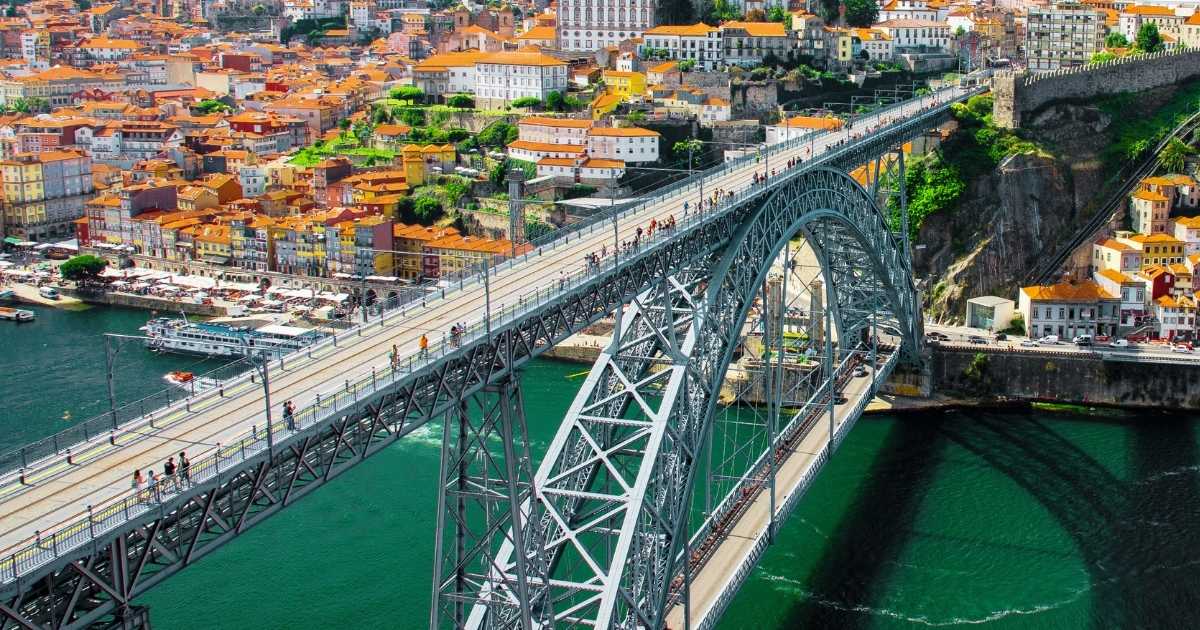
Meanwhile, there are other current concrete options in the hands of materials professionals responsible for separating, recovering, reusing, conserving, and protecting materials. Scientists and engineers who care for materials and deal with corrosion, mechanical behavior, maintenance, and asset management. All of them are expected to attend the Third International Conference on Durability, Repair and Maintenance of Structures, which will take place at the Faculty of Engineering of the University of Porto, Portugal, on March 11 and 12, 2027.